Jiangnan Art Tea
2011 Aged Gongmei Fuding White Tea Panxi Dayang High Mountain Altitude 600-80m Baicha
2011 Aged Gongmei Fuding White Tea Panxi Dayang High Mountain Altitude 600-80m Baicha
Couldn't load pickup availability
What's Gongmei, also called Cai Cha White Tea?
The biggest difference between Gongmei and other white teas is the tree species.
Gongmei is an independent tree species. Only tea made from the group species Cai Cha can be called Gongmei, while Fuding Silver Needle White Tea ( Baihao Yinzhen), White Peony (Baimudan), and Shoumei are all made from Fuding Dabai or Fuding Dahao.

Cai Cha is the earliest raw material for making white tea, followed by cultivated tree species such as Narcissus Bai, Dabaicha, and Dahaocha. The characteristic of Gongmei is that it reproduces sexually, that is, it reproduces by sowing seeds, while the raw materials of Fuding Dabaicha and Dahaocha are planted by the asexual propagation cuttage.

Where is this White Peony from?
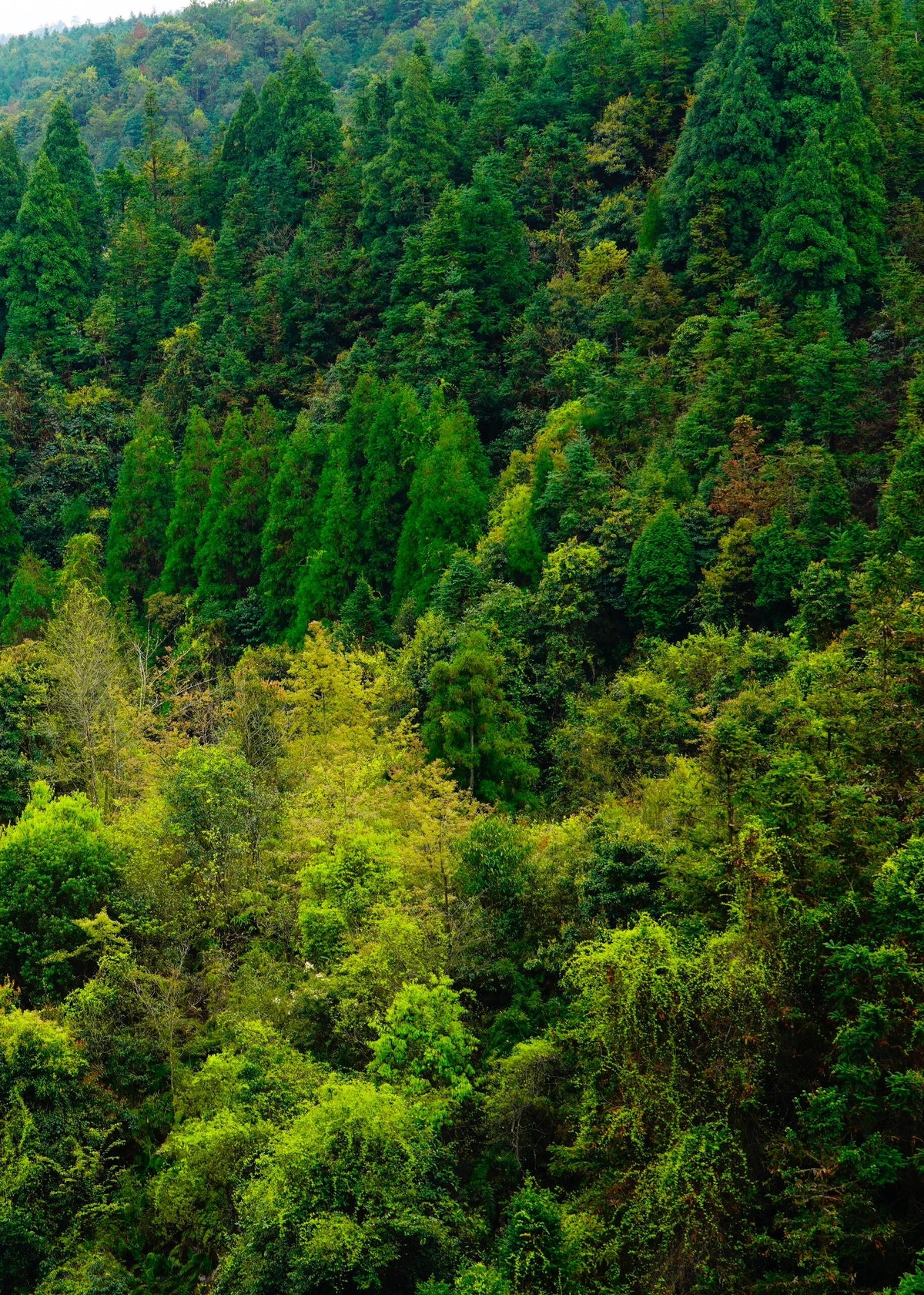
Panxi Town is located on the western slope of Mount Taimu, with an average altitude of over 500 meters, boasting a purely mountainous and hilly climate. Abundant moisture gathers in Panxi, forming fog, keeping the area humid and foggy year-round, gradually giving rise to the saying "good tea comes from high mountains and misty clouds."

The fog replenishes the tea trees with moisture, while sunlight promotes photosynthesis. Located at 27°N latitude, Panxi receives an average of around 1600 hours of sunshine per day. Clouds and fog diffuse much of the sunlight, which the tea trees absorb and convert into amino acids, soluble polysaccharides, and other trace elements, enhancing the tea's sweetness.

Besides sunshine, rain, and fog, the soil in Panxi is also an indispensable factor in creating the high sweetness of the tea. Panxi's high altitude results in soil rich in weathered gravel, organic matter, and minerals.

Tea trees grown here accumulate more nutrients, resulting in plump and full-bodied new buds and leaves each year. When brewed, this results in a more thorough release of sweetness and a more complex flavor profile.
Tea Varieties: Cai Cha
Origin: Panxi, Fuding City, Fujian Province, China
Year: 2011
Tea feature: The dry leaves offer a delightful sweetness of ripe plum. Once brewed, the tea releases a rich and captivating fragrance, led by juicy plum notes intertwined with the fresh aroma of pear juice. The liquor is smooth, silky, and wonderfully enjoyable on the palate, unfolding layers of rich jujube sweetness with a subtle hint of herbal medicine aroma. The overall taste is sweet, mellow, and refreshing, leaving a pleasant lingering impression.
Tea Soup: honey color, golden and bright


Storage: Stored in cool, dry condition away from direct sunlight, with no odor, storage environment temperature below 30℃ (86℉)
White tea health benefits:
1. Anti-aging and antioxidant
2. Helps with sleep and eliminates fatigue
3. Has the effects of lowering blood lipids, blood pressure, and blood sugar
4. Helps improve cardiovascular health and reduce the risk of heart disease and stroke
5. Protects nerves, calms, protects the liver, and resists viruses
6. Helps promote metabolism
7. Helps improve the symptoms of respiratory diseases
8. Rich in vitamin C and vitamin E, helps with beauty and skin care
Brewing suggestions:
Tea to water ratio 1:30
Water temperature: 100℃212℉)
Recommended utensils: Gaiwan/Purple clay teapot
First to fourth brewing: use 95℃ water, pour water along the wall of the gaiwan at fixed points, wait for 5-15 seconds, and then pour out the tea soup.
After the fourth brewing: pour water along the wall of the gaiwan at fixed points, wait over 15 seconds, and then pour out the tea soup.
P.S Please provide your phone number when placing an order. This is very important when shipping the package. I appreciate any help you can provide.